Improve or Move? Why the Kitchen Is Where to Invest
Improve or move is a question most homeowners face at some point. Moving brings stamp duty, legal and agent's fees and the upheaval of starting again; improving keeps you in the area, the schools and the house you already know. For many families, extending or renovating the house they have turns out to be the better answer. There are plenty of ways to improve a home, from a rear or side extension to a loft conversion or a reconfiguration of the existing rooms. More often than not, the kitchen is at the centre of it.
Improve or Move at a Glance
Improving rather than moving avoids the costs of buying and selling and keeps you in a location you already like, but it only makes financial sense if the work is in proportion to the value of the house. The kitchen is usually the best place to invest, because it is the most-used room and the one buyers look at hardest. A widely quoted rule of thumb is to spend somewhere around 5 to 10 per cent of the property's value on a new kitchen, though it is a guide rather than a rule. Choose quality cabinetry, good appliances and a classic design, which will still look right when you eventually sell. Handmade Kitchen Company design and hand-build kitchens from our workshop in Essex.
Why the kitchen
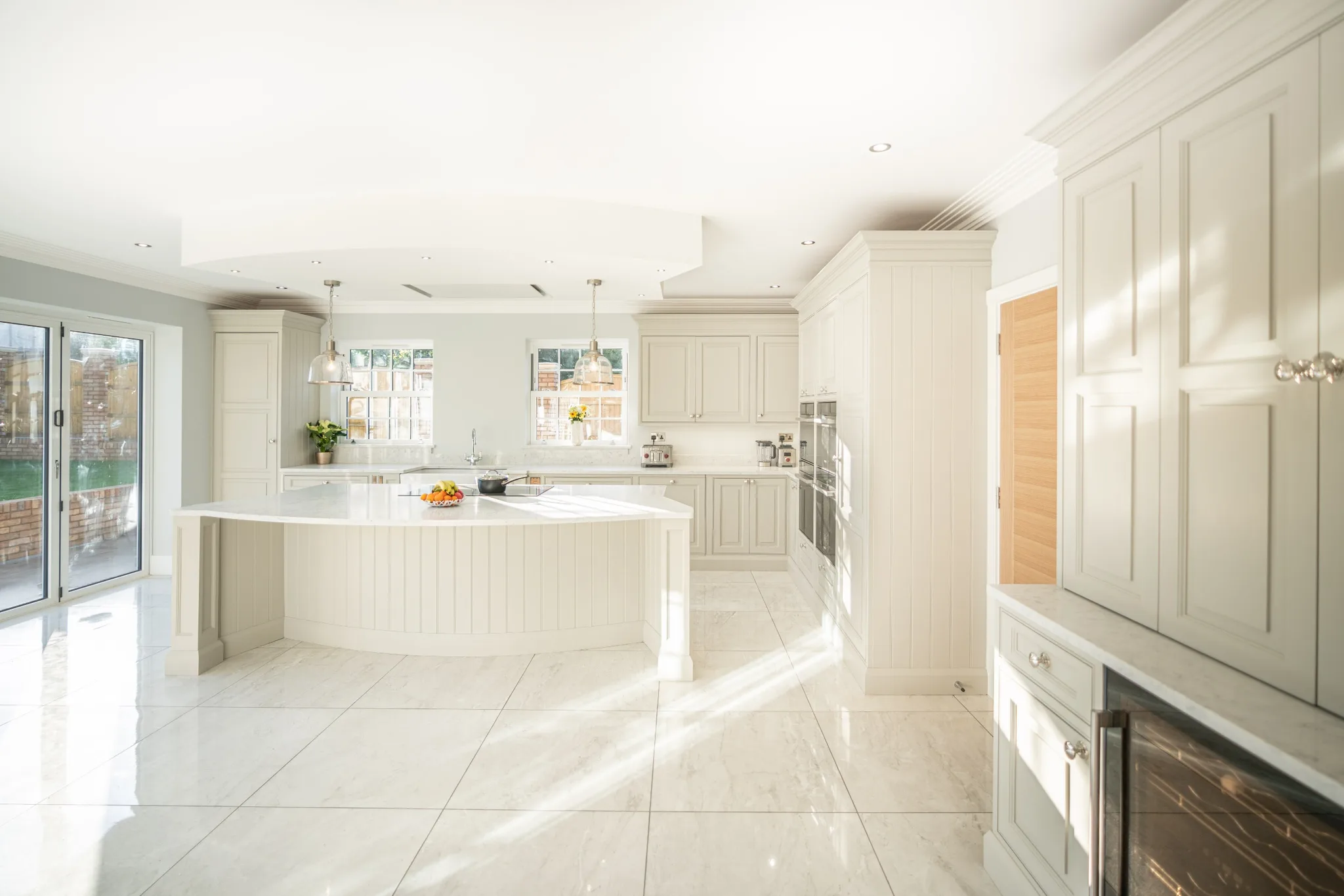
The kitchen has become the main room of the house. With
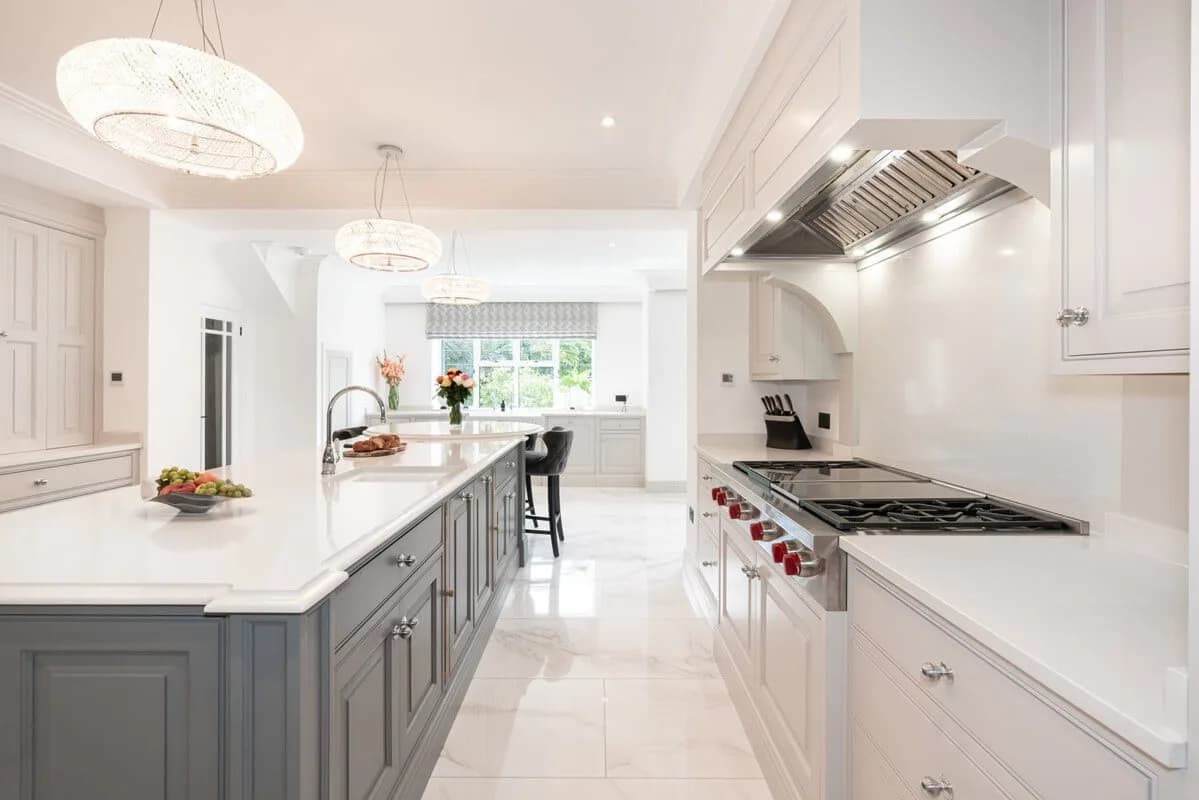
living, it is no longer just somewhere to prepare food but where the family eats, works, talks and entertains. That makes it the room where investment is most felt day to day, and the one prospective buyers judge most closely. Improving it can mean extending, or simply removing walls and reorganising the existing space into a better layout. The important principle is proportion. The kitchen should suit the value and character of the house, in both its layout and its materials. In a higher-value home, a bespoke kitchen with high-end appliances is a sound investment: you get the benefit while you live there, and if you sell, a well-made kitchen in a classic design will still be working and still look right.
How much should you spend?
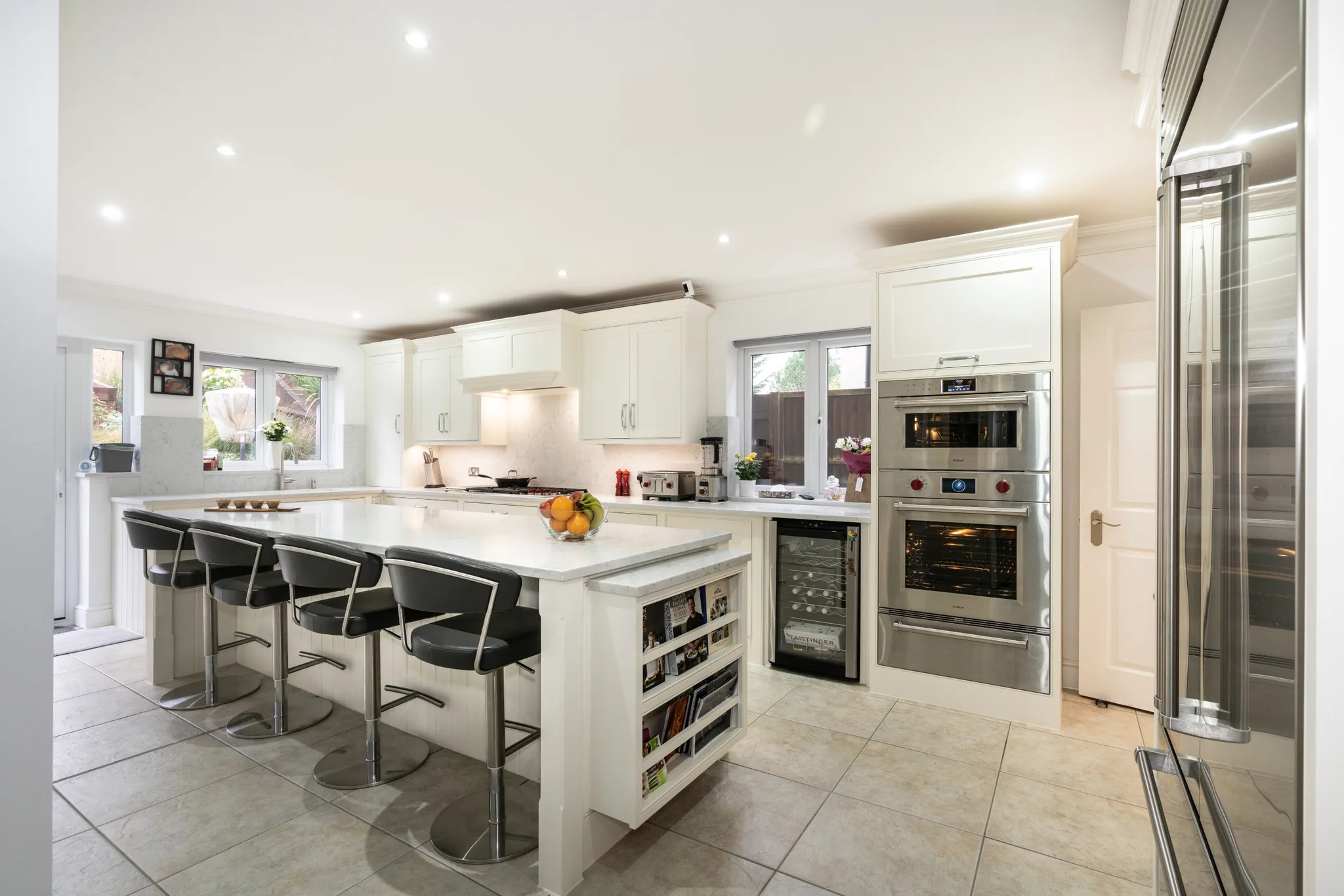
A commonly quoted guide is to spend roughly 5 to 10 per cent of your property's value on the kitchen. It is a useful starting point, but only that. The right figure depends on how long you plan to stay, the standard of the rest of the house, and what buyers at that price would expect to find. Wherever you land, put the money into the parts that take the most use and are hardest to change later: the cabinetry, the flooring, the
and the lighting. Paint and accessories can be changed cheaply; a poorly built carcass cannot.
Thinking long term
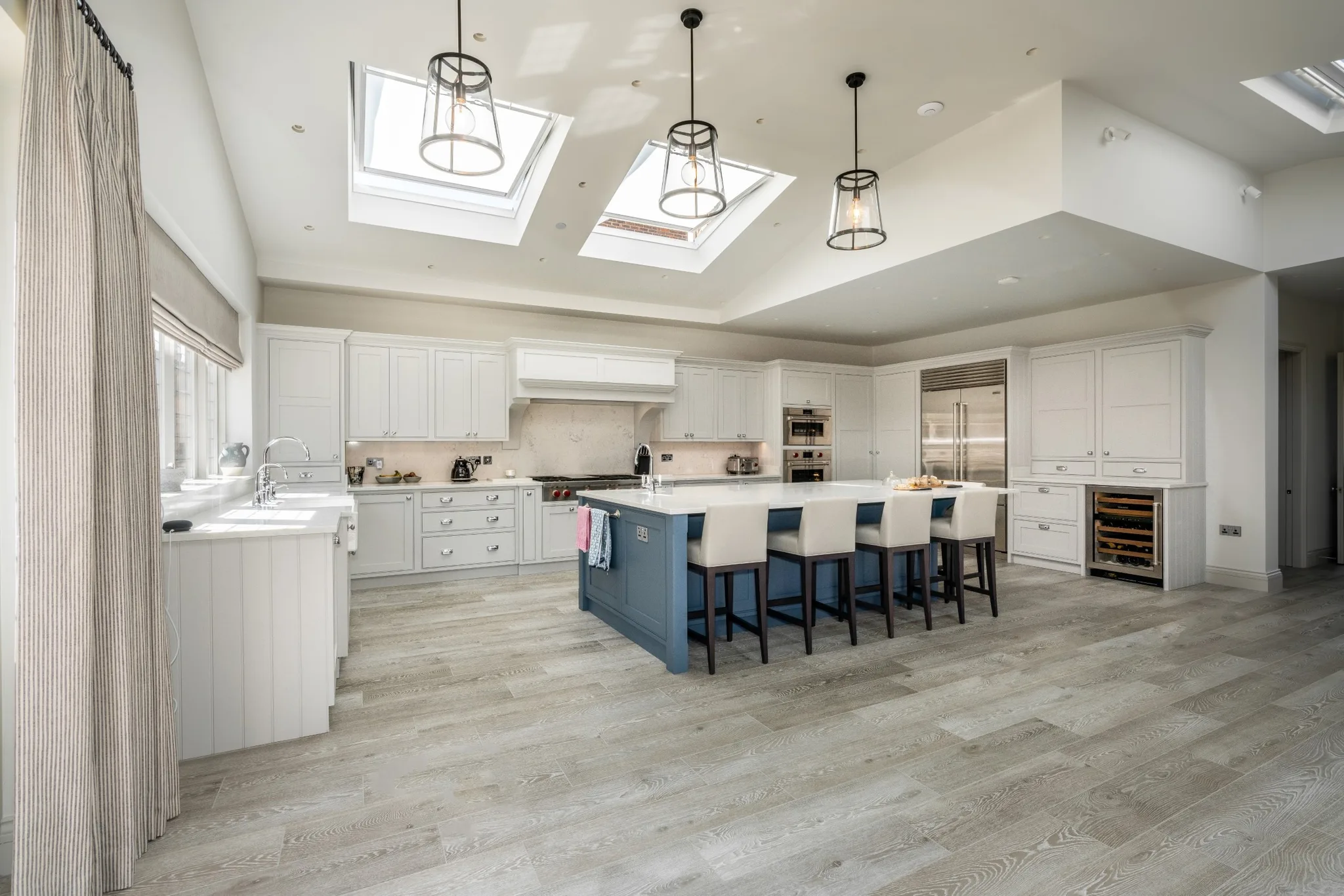
Most people who improve rather than move expect to sell eventually, and it makes little sense to spend heavily unless some of it comes back in the sale price. That argues for quality and restraint rather than fashion: good materials, sound construction and a design that will not look dated in ten years. The reasons people eventually move are hard to predict: a new job, schools, a change in the family. Building a kitchen that a future buyer would recognise as well made protects you whichever way it goes. If you are planning an extension, our guide to
designing the kitchen for an extension
covers when to bring the kitchen designer in.
Improve or Move FAQs
Is it better to improve or move?
It depends on whether the house can be made to work for you. If the location suits and the problem is space or layout, improving usually avoids the considerable costs of buying and selling. If the location or plot is the problem, no amount of renovation will fix it.
How much should I spend on a new kitchen?
A commonly quoted guide is 5 to 10 per cent of the property's value. Treat it as a starting point: stay longer and you can justify more; plan to sell soon and you should stay closer to what buyers at that price would expect.
Does a new kitchen add value to a house?
A well-made kitchen that suits the property generally helps a sale, because buyers look at it closely. Whether it returns more than it costs depends on the house and the market, so it is best seen as protecting value and making the house easier to sell rather than a guaranteed profit.
What should I prioritise in a kitchen budget?
The things that are hardest to change later: cabinetry construction, layout, flooring and appliances. Colour, handles and accessories can be updated cheaply in future.
Where does Handmade Kitchen Company design kitchens?
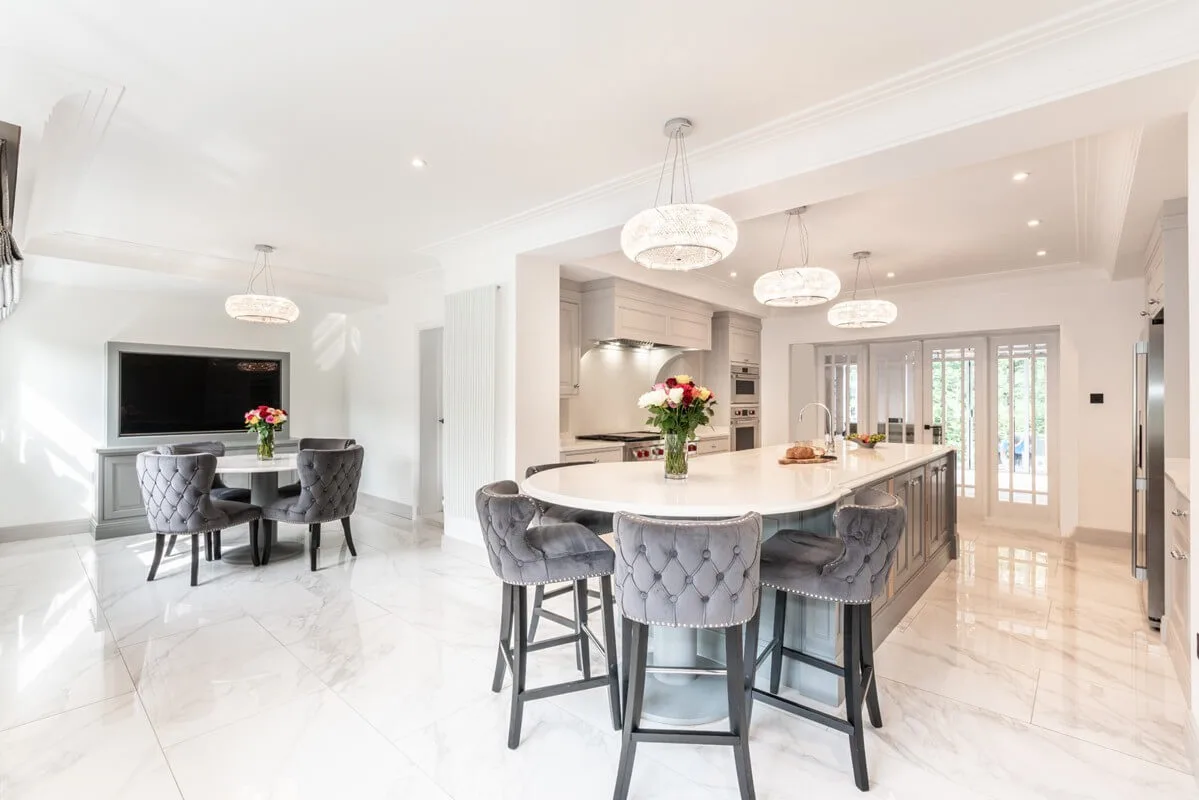
We design, hand-build and hand-paint bespoke kitchens from our workshop in Essex, for clients across Essex, Hertfordshire and North London. If you would like to know more about our bespoke handmade kitchens,
today. We look forward to hearing from you.